Empty Message
Monday, April 18, 2022

Sunday, February 27, 2022
What Countries Are In Saudi Arabia
Crown Prince Mohammed bin Salman has centralised political control and is unlikely to be challenged domestically as de facto ruler. Saudi Arabia is facing the complex economic challenge of reducing its reliance on oil. To address this, MBS has promoted Saudi Vision 2030, an economic development, modernisation, and diversification programme that includes limited social liberalisation. Its measures reduce the role of traditional key pillars of the Saudi governance model – senior members of the Al Saud family and the religious establishment. The government is likely to continue to favour policies designed to improve public sector efficiency.
The short-term economic outlook is very favourable, as rising oil production, relatively high oil prices, and modest risk of reimposition of the pandemic-related lockdown measures indicate a robust economic rebound in 2022. Longer-term economic prospects are more uncertain, with progress in reducing oil dependency still unclear. The Public Investment Fund , Saudi Arabia's main sovereign wealth fund, government ministries, and other public-sector entities are leading a broad-based investment initiative relating to several large-scale megaprojects. In addition, domestic companies have been directed to invest in the country's infrastructure under Vision 2030. Overall, government-sponsored investments will be key in achieving the Vision 2030 targets. Under MBS, Saudi Arabia has improved the operational framework for businesses, boosting the country's competitiveness versus other Gulf states as a business location.

However, IHS Markit assesses that Saudi Arabia's more opaque legal and regulatory frameworks need further adjustment to become fully competitive. The government is likely to strengthen enforcement of its mandate that government contracts will only be awarded to companies with a regional headquarters in Saudi Arabia by 2024. The Saudi government has pledged to reach carbon neutrality by 2060, a policy target that Saudi Aramco announced that it aims to achieve by 2050, placing longer-term pressure on the kingdom's external and fiscal accounts. Saudi projects remain at risk of being targeted by Iran and the Ansar Allah militant group, but such attacks are unlikely to directly target the megaprojects connected to the Vision 2030 programme.

Saudi energy assets remain a high-risk target for UAV and missile attacks by Iran and the Houthi. There is a higher likelihood of Iranian attacks on Saudi shipping and hydrocarbon infrastructure while nuclear negotiations continue. According to IHS Markit data, their frequency has increased steadily through 2021, despite improved ability of Saudi air defences to intercept such weapons. From 2003 to 2013, "several key services" were privatized—municipal water supply, electricity, telecommunications—and parts of education and health care, traffic control and car accident reporting were also privatized.
In November 2005, Saudi Arabia was approved as a member of the World Trade Organization. Saudi Arabia maintains a list of sectors in which foreign investment is prohibited, but the government plans to open some closed sectors such as telecommunications, insurance, and power transmission/distribution over time. The government has also made an attempt at "Saudizing" the economy, replacing foreign workers with Saudi nationals with limited success. Authorities in Saudi Arabia announced the full lifting of the nationwide curfew and the resumption of all economic and commercial activities from Sunday 21 June. There are no restrictions on travel to and from airports and ports. Commercial flights are now operating to and from Saudi Arabia on a limited number of routes.

All modes of public transport are permitted to operate at full capacity. The Saudi authorities have announced that wearing a face mask in public places is mandatory. The Saudi authorities will keep this plan under review depending on the progress of the virus. You should monitor announcements issued by the Saudi Ministry of Health Twitter page and Ministry of Interior see here for any updates. The Saudi authorities may implement localised lockdowns in response to the detection of infection clusters.

If you are subject to a localised lockdown, follow the instructions of the authorities. In response to the new strain of COVID-19, on December 27, the government of Saudi Arabia announced a one-week extension of its travel-related restrictions. The restrictions, originally announced on December 21, extended the suspension, except in exceptional cases, of all international flights for travelers, including entry to the Kingdom through land and sea ports.
In response to the spread of a new strain of COVID-19, entry into Saudi Arabia from 13 countries is restricted to residents of Saudi Arabia who have received two doses of a Covid-19 vaccine within Saudi Arabia prior to their travel. Health workers, diplomats and Saudi nationals, and their families are exempt from the restriction but may still be required to complete a period of home quarantine and PCR tests on arrival. For all other travellers, including those who have visited or transited through one of the countries listed above in the 14 days prior to entering Saudi Arabia, travel to Saudi Arabia from these countries remains suspended. According to The Guardian, as of 2013 there were more than half a million foreign-born domestic workers in Saudi Arabia. Most have backgrounds in poverty and come from Africa, the Indian subcontinent and Southeast Asia.

To go to work in Saudi Arabia, they must often pay large sums to recruitment agencies in their home countries. The agencies then handle the necessary legal paperwork.As the Saudi population grows and oil export revenues stagnate, pressure for "Saudization" has grown, and the Saudi government hopes to decrease the number of foreign nationals in the country. Saudi Arabia expelled 800,000 Yemenis in 1990 and 1991 and has built a Saudi–Yemen barrier against an influx of illegal immigrants and against the smuggling of drugs and weapons. In November 2013, Saudi Arabia expelled thousands of illegal Ethiopian residents from the Kingdom.

Various Human Rights entities have criticized Saudi Arabia's handling of the issue. Over 500,000 undocumented migrant workers — mostly from Somalia, Ethiopia, and Yemen — have been detained and deported since 2013. An investigation led by The Sunday Telegraph, exposed the condition of African migrants who were detained in Saudi Arabia allegedly for containing COVID-19 in the kingdom. Many of the migrants died due to heatstroke or by attempting suicide, after being severely beaten and tortured.

The migrants lack proper living conditions, provision of food and water. From 15 September 2020, certain categories of travellers holding valid visas (exit/entry, business, residence/Iqama and visit) are allowed to enter and exit the Kingdom of Saudi Arabia. Many public places have hygiene measures in place, including taking a temperature check and sanitising hands upon entry. You are required to show your health status on the Tawakkalna app here before being allowed to enter.

You are required to show your health status on the Tawakkalna app before being allowed to enter. High energy prices (hydrocarbon accounts for 70% of total export revenues) will feed into Saudi Arabia's current account surplus. However, a stabilization in prices would weigh on export earnings. Moreover, any slowdown in China's growth, the Kingdom's key export market, would also hamper exports growth and reduce the current account surplus. On the other hand, higher domestic demand and easing of travel restrictions will result in higher demand for capital and consumer goods imports as well as outbound travelling.

The Kingdom's international reserves and the net worth of USD 430 billion estimated in its sovereign wealth fund will allow the country to easily meet its foreign exchange denominated debt obligations . External debt and central government debt account each for around 30% of GDP, with public external debt representing 12% of GDP. The public debt increased by USD 6.8 billion in the third quarter of 2021, bringing total debt to USD 253 billion The kingdom is due to pay a total of USD 77.6 billion in fx-denominated maturing debt obligations between 2021 and 2025.

A new strategy has been developed by the Ministry, known as Diet and Physical Activity Strategy or DPAS for short. Many lifestyle issues in the country were causing bad lifestyle choices. This led to the Ministry advising that there should be a tax increase on unhealthy food, drink and also cigarettes in the region. This additional tax could be utilized to improve healthcare offerings. As part of the same strategy, calorie labels were added in 2019 to a number of food and drink products.

Ingredients were also listed, not as an aim to reduce obesity, but also for citizens with health issues, to manage their diet. As part of the ongoing focus on tackling obesity, women-only gyms were allowed to open in 2017. A number of sports were offered in each of these gyms, including bodybuilding, running and swimming to maintain higher standards of health.Smoking in Saudi-Arabia in all age groups was widespread. In 2009 the lowest median percentage of smokers was university students (~13.5%) while the highest was elderly people (~25%). The study also found the median percentage of male smokers to be much higher than that of females (~26.5% for males, ~9% for females).
Before 2010, Saudi Arabia had no policies banning or restricting smoking. According to the BICC, Saudi Arabia is the 28th most militarized country in the world and possesses the second-best military equipment qualitatively in the region, after Israel. By the late 2010s, there have been continual calls for halting of arms sales to Saudi Arabia, mainly due to alleged war crimes in Yemen and especially following the assassination of Jamal Khashoggi. Repression of the rights to freedom of expression, association and assembly intensified. Virtually all known Saudi Arabian human rights defenders inside the country were detained or imprisoned at the end of the year. Grossly unfair trials continued before the Specialized Criminal Court and other courts.

Courts resorted extensively to the death penalty and people were executed for a wide range of crimes. Migrant workers were even more vulnerable to abuse and exploitation because of the pandemic, and thousands were arbitrarily detained in dire conditions, leading to an unknown number of deaths. Saudi Arabia has faced persistent challenges in restricting human trafficking, drugs smuggling and, to a lesser extent, arms smuggling, particularly due to its long, porous borders and corruption at border entry points. The main drug smuggling issues stem from growing domestic consumption of synthetic amphetamines and hashish smuggled from Syria, Lebanon, Yemen, and Egypt. The government is investing heavily in border forces and monitoring equipment, but cross-border tribal networks complicate the implementation of truly effective measures.
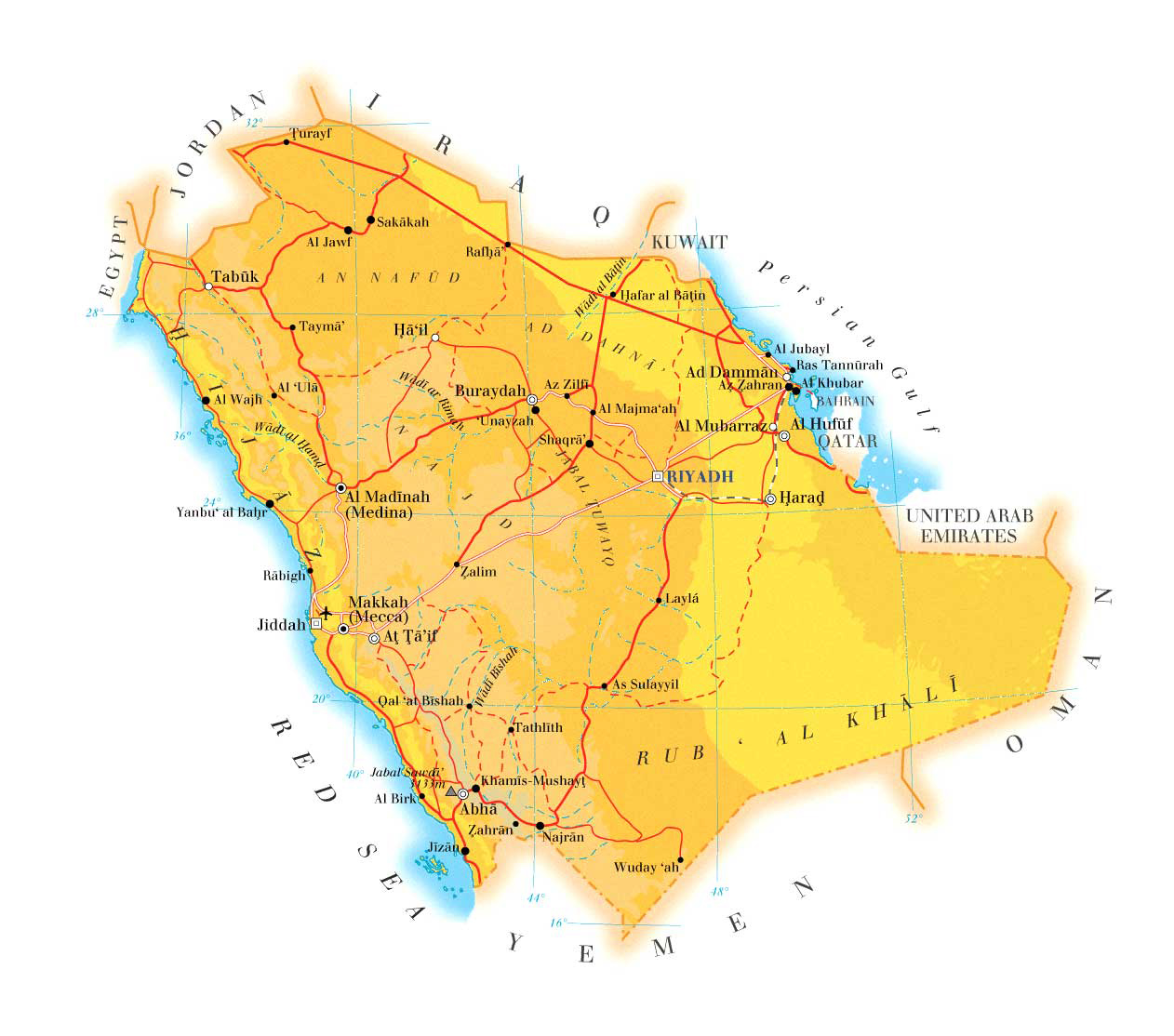
Saudi officials estimate that the seized amounts represent only about 10% of the total amount entering the kingdom. To some extent, Riyadh believes that the outcome of its spats with Europeans capitals reflects a power balance in its favour. Recent disputes with Germany and Sweden, in which the countries' officials publicly criticised Saudi policies, have bolstered the image of Riyadh as engaged in a new foreign policy that complements its nationalist rhetoric. The disputes also reinforced the sense within Saudi Arabia that its economic ties to European states provide it with leverage over Europe. Joint criticism of the Khashoggi killing from France, Germany, and the UK – followed by several European decisions in international human rights forums – somewhat changed this dynamic, raising the prospect of a potential turning point in EU-Saudi relations.
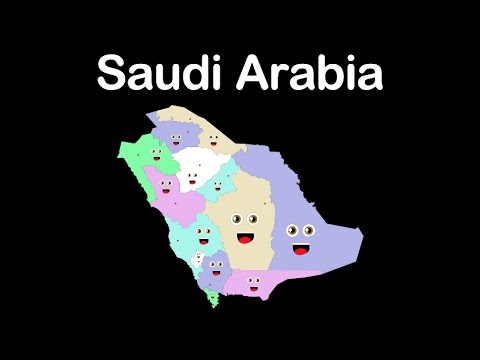
In 2020, repression of the rights to freedom of expression, association and assembly intensified. Travelbans.org provides access to measures and global travel restrictions taken by governments. Our information includes country travel restrictions, flight restrictions, the requirement of COVID- 19 certificates, quarantine measures and vaccination. As much as possible, we provide a link to the resource on the respective website.

Although we do our best to keep the information updated as it is reported. The information shown is for guidance only since the situation is rapidly evolving. The suspension of all international flights to/from Saudi Arabia is extended until further notice. The Saudi authorities have introduced an online registration system to facilitate the repatriation of expatriates holding exit/re-entry or final exit visas to their home countries.

Approved residents will receive an SMS with available dates and will be able to purchase flight tickets. Departures will take place through Riyadh-based King Khalid International Airport, Jeddah-based King Abdulaziz International Airport and Dammam-based King Fahd International Airport. Obesity is a problem among middle and upper-class Saudis who have domestic servants to do traditional work but, until 2018, were forbidden to drive and so are limited in their ability to leave their home. The religious police, known as the mutawa, imposed many restrictions on women in public in Saudi Arabia. The restrictions include forcing women to sit in separate specially designated family sections in restaurants, to wear an abaya and to cover their hair.

However, in 2016, the Saudi cabinet has drastically reduced the power of the religious police and barred it "from pursuing, questioning, asking for identification, arresting and detaining anyone suspected of a crime". Celebration of other (non-Wahhabi) Islamic holidays, such as the Muhammad's birthday and the Day of Ashura, (an important holiday for the 10–25 per cent of the population that is Shīʿa Muslim), are tolerated only when celebrated locally and on a small scale. Shias also face systematic discrimination in employment, education, the justice system according to Human Rights Watch. Non-Muslim festivals like Christmas, Easter, Halloween, and New Year were not tolerated until recently.

No churches, temples or other non-Muslim houses of worship are permitted in the country. Proselytizing by non-Muslims and conversion by Muslims to another religion is illegal, and as of 2014 the distribution of "publications that have prejudice to any other religious belief other than Islam" , was reportedly punishable by death. In legal compensation court cases non-Muslim are awarded less than Muslims.

And at least one religious minority, the Ahmadiyya Muslims, had its adherents deported, as they are legally banned from entering the country. All visitors require a visa to enter Saudi Arabia, and visas are only granted to those with sponsorship in the country. Tourist visas are hard to get, granted only to selected groups on a limited basis. Everyone who enters the Kingdom should have a valid passport with at least six months validity in addition to the appropriate visa and a return ticket, with all necessary documents. Muslim women entering the Kingdom alone must be met by a sponsor or male relative and have confirmed accommodation for the duration of their stay.

Entry may be refused to any visitor arriving in an intoxicated state, men wearing shorts, women in tight clothing or with legs and arms exposed, and to couples displaying affection in public. There are special requirements for pilgrims undertaking the Hajj or visiting holy sites. It is strongly recommended not to hold passports containing any Israeli visa or stamp when entering or transiting Saudi Arabia as entry may be refused. They harassed, arbitrarily detained and prosecuted government critics, human rights defenders, family members of activists and many others.

What Countries Are Included In Saudi Arabia If you're planning to travel to Saudi Arabia via the causeway from Bahrain, you should check the terms of your Saudi visa before travelling. Saudi visas may only allow for entry into the country by air and may prevent you from entering across a land border including via the causeway from Bahrain. British residents in Saudi Arabia will need a valid exit or re-entry permit from the Saudi Minis-try of Interior to leave and re-enter the country. All travellers must provide a negative PCR test certificate issued from a verified laboratory that does not exceed 48 hours from the time the test is undertaken until their departure to the Kingdom. All visitors must fill out the Registration Immunization Information Form before travelling to the Kingdom. Until 2016, the kingdom only used the lunar Islamic calendar, not the international Gregorian calendar, but in 2016 the kingdom announced its switch to the Gregorian calendar for civil purposes.

Some businesses decide to close three or four times a day for 30 to 45 minutes during business hours while employees and customers are sent off to pray. The weekend is Friday-Saturday, not Saturday-Sunday because Friday is the holiest day for Muslims. For many years only two religious holidays were publicly recognized – ʿĪd al-Fiṭr and ʿĪd al-Aḍḥā.

(ʿĪd al-Fiṭr is "the biggest" holiday, a three-day period of "feasting, gift-giving and general letting go"). Health care in Saudi Arabia is a national health care system in which the government provides free health care services through a number of government agencies. Saudi Arabia has been ranked among the 26 best countries in providing high quality healthcare. The Saudi Ministry of Health is the major government agency entrusted with the provision of preventive, curative, and rehabilitative health care for the Kingdom's population. The Ministry's origins can be traced to 1925, when a number of regional health departments were established, with the first in Makkah, Saudi Arabia.

The various healthcare institutions were merged to become a ministerial body in 1950. Abdullah bin Faisal Al Saud was the first health minister and served in the position for three years, with his main role to set up the newly formed Ministry. On 2 May, the Finance Minister of Saudi Arabia admitted that the country's economy was facing a severe economical crisis for the first time in decades, due to the pandemic as well as declining global oil markets. Mohammed Al-Jadaan said that the country will take "painful" measures and keep all options open to deal with the impact. The king combines legislative, executive, and judicial functions and royal decrees form the basis of the country's legislation. The king is also the prime minister, and presides over the Council of Ministers of Saudi Arabia and Consultative Assembly of Saudi Arabia.
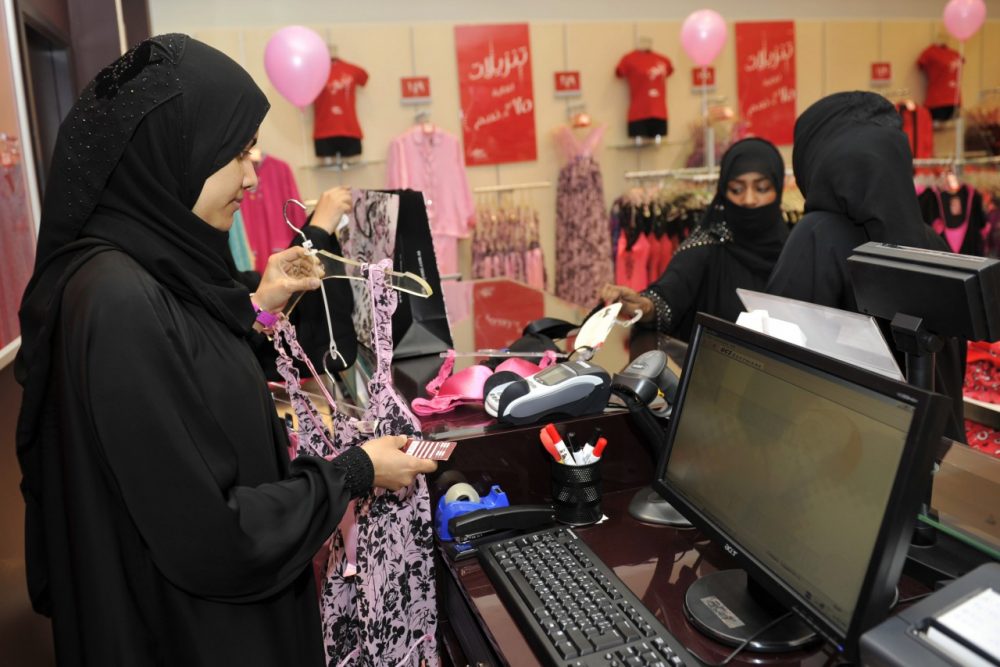
The family's vast numbers allow it to control most of the kingdom's important posts and to have an involvement and presence at all levels of government. The number of princes is estimated to be at least 7,000, with most power and influence being wielded by the 200 or so male descendants of Ibn Saud. The key ministries are generally reserved for the royal family, as are the 13 regional governorships. The vast wealth generated by oil revenues was beginning to have an even greater impact on Saudi society.

Friday, January 21, 2022
What Are Some Examples Of Linking Verbs
However, linking verbs don't express action. Instead of acting, they describe and connect. Specifically, this type of verb describes a state of being. Moreover, it connects the subject of a sentence with the subject complements. Subject complements are predicate nouns or predicate adjectives.

"To be," "to become," and "to seem" are always linking verbs. Words that can function as a linking or an action verb include smell, appear, look, and sound. Linking verbs are followed by adjectives which are subject complements. Action verbs are followed by adverbs, which are their modifiers. Verbs that can be used as either linking verbs or action verbs includefeel,get,grow,look,prove,remain,smell,sound,stay,taste, andturn. Adverbs modify action verbs, not linking verbs.

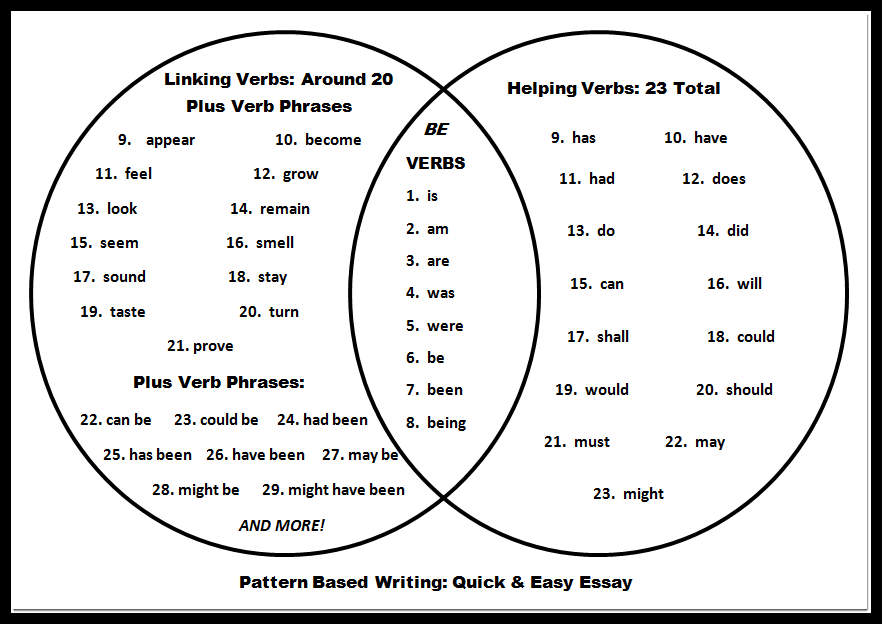
Using adverbs instead of adjectives with linking verbs will result in incorrect sentences, as shown here. Remember regular verbs are followed by adverbs, and linking verbs are followed by adjectives. Some common linking verbs areappear,seem,smell,sound, andtaste. Linking verbs are verbs that connect the subject of the sentence to adjectives or nouns that describe it. They are words that show the state of being. The most common linking verbs are the "be" verbs.
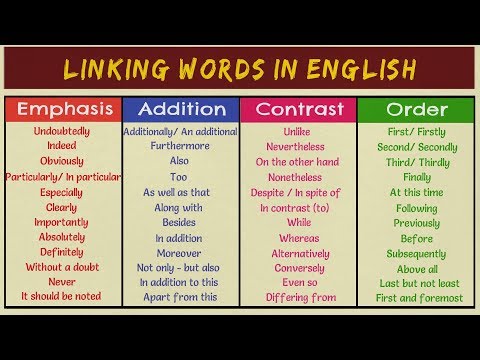
Please refer to "be" verbs to learn how to use "am", "is", "are". In both cases, the main verbs are the action verbs —rewriting and editing, respectively — and the forms of to be simply act as helping verbs. (An industrious bunch!) These sentences do not contain linking verbs and are therefore not relevant for this discussion. It connects the subject of the sentence with a subject complement such as a predicate nominative or predicate adjective. The subject complement renames or describes the subject.

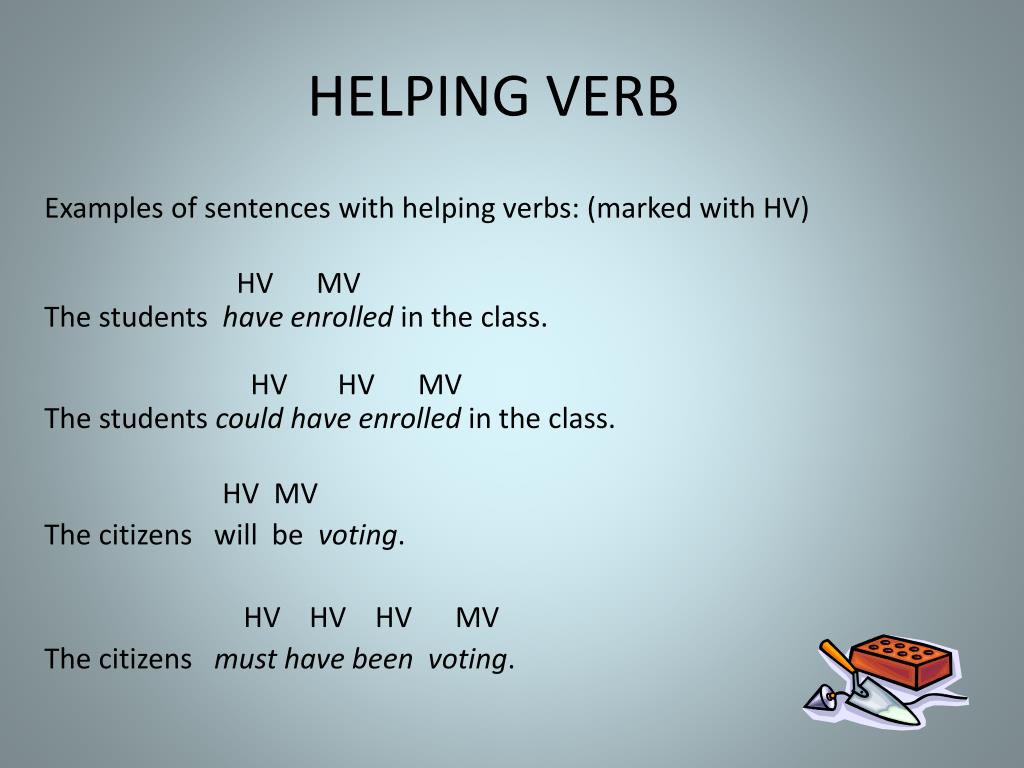
To see if a verb is a linking verb, try replacing it with ''equals.'' If the meaning of the sentence remains the same, the verb is a linking verb. The main difference between linking and helping verbs is that linking verbs act as the main verb of a sentence whereas helping verbs do not act as the main verb. In addition, helping verbs are generally used with action verbs whereas linking verbs do not denote an action.

Aside from that, linking verbs allow changing of positions between the subject and the subject complement. Unlike active verbs however, linking verbs do not alter the meaning of the sentence. In today's lesson we will learn about linking verbs. It just links, or joins, the subject of a sentence to a word that identifies or describes the subject, also called the subject complement. Linking verbs, also called copulas or copula verbs, connect the subject of a sentence with an adjective, noun, or descriptive phrase.
To distinguish a copula verb remember that they do not indicate action in a sentence. Rather they describe a state of being, a result, or one of the five senses. In other words, linking verbs do not have an object. Be, seem, look, sound, and more are examples of linking verbs in English. They are special because they do not involve an action, even though some may be used in a similar way to action verbs. In this grammar lesson, we'll learn how to use these linking verbs in English, in what situations to use them, and how to recognize them when we see them.
It may appear difficult, but it's much simpler than it seems. A linking verb functions as a connection between a subject and the rest of the sentence. In other words, linking verbs re-identify or to describe the subject, linking it to a subject complement.
Just as action verbs describe what a subject does, linking verbs describe the subject in some other way. Most often, they define or describe the subject of the sentence. Note that in the two example sentences the linking verb connects the subject to its definition. In the first sentence, Jane is defined as a nice person; in the second sentence, the new cat is identified as a possible calico. Alas, English has many ambiguities, and some linking verbs can also function as action verbs. These include all the sense verbs, such as look, touch, smell, appear, feel, sound, and taste.

There are also some outliers, such as turn, grow, remain, and prove. Used as linking verbs, these verbs can give added information about the sentence's subject. What are Linking verbs or Copular Verbs along with the definition, meaning, examples, sentence examples, list, etc. captured to clear the basic concept. In addition, the basic comparison of linking verbs vs action verbs vs helping verbs also included.

The term "linking verb" refers to a verb that connects the subject of a sentence to information about the subject. Linking verbs do not relay an action but instead link the subject and the other statement details. Perhaps the most common linking verb is to be. However, there are several other examples, including all verbs that deal with human senses. The sentences don't tell you what Diane, Clement, Maria, and the music did but rather what they are. Linking verbs "link" their subjects to a classification, state of being, or quality.
In the sentences above, happy, feverish, doctor, and good are called complements of the linking verbs. Two main types of verbs are action verbs and linking verbs. This lesson will give you a definition of linking verbs, some examples, and a way to identify linking verbs. Alas, English has so many ambiguities, and some linking verbs can also function as action verbs. Used as linking verbs, they provide additional information about the subject. You've probably noticed that not all of them behave in the same way within various types of sentences in English.

There are other verbs that can be both linking verbs and action verbs. All of the sense verbs; look, smell, touch, appear, sound, taste, and feel can be linking verbs. Other examples of verbs that can be linking verbs and action verbs include turn, remain, prove, and grow. In elementary school, I learned that verbs were the action of a sentence. They are what a person, animal or thing does.

English is a bit too complex to completely simplify verbs that way. You've got true action verbs, helping verbs, regular verbs, irregular verbs and helpful linking verbs. In traditional grammar and guide books, a linking verb is a verb that describes the subject by connecting it to a predicate adjective or predicate noun . Unlike the majority of verbs, they do not describe any direct action taken or controlled by the subject. A linking verb is a verb that describes the subject. Linking verbs connect the subject to a predicate noun or a predicate adjective.

Linking verbs do not describe any direct physical or mental action of the subject or any action controlled by the subject. Aside from these linking verbs, there are also some which can be considered as either verbs of sensation or verbs of existence. Both of these types of linking verbs can also function as active verbs, which display forms of actions. In order for you to understand better, sample sentences and their meanings will be provided for your reference. As mentioned earlier, linking verbs do not express actions.

Basically, linking verbs connect the subject in the sentence with the subject complement or show a state of being/ condition. One thing to remember is that linking verbs do not express action. They simply link the subject with the subject complement to show their relationship. So when you are unsure is a verb is a linking verb or an action verb, simply substitute a form of the verb to be for the original verb.

Other examples of linking verbs include appear, feel, look, seem, sound, and smell. Depending on how they are used, most of these additional examples can sometimes also be action verbs, which, as the name indicates, describe action. The predicate adjectives are in bold.Sunny feels happy. Additionally, the verbs remain, grow, turn, and prove can function as both action verbs and linking verbs.
What Are Examples Of Linking Verbs When you use one of these words as a linking verb, it provides information about the subject of the sentence. There are three types of verbs; action, linking and helping. Most of the verbs you will use in conversation or writing will be action verbs or linking verbs. Since some linking verbs can function as either action verbs or linking verbs, how do you make the distinction? A quick and easy test is to replace the verb in the sentence that you suspect is a linking verb with a true linking verb.
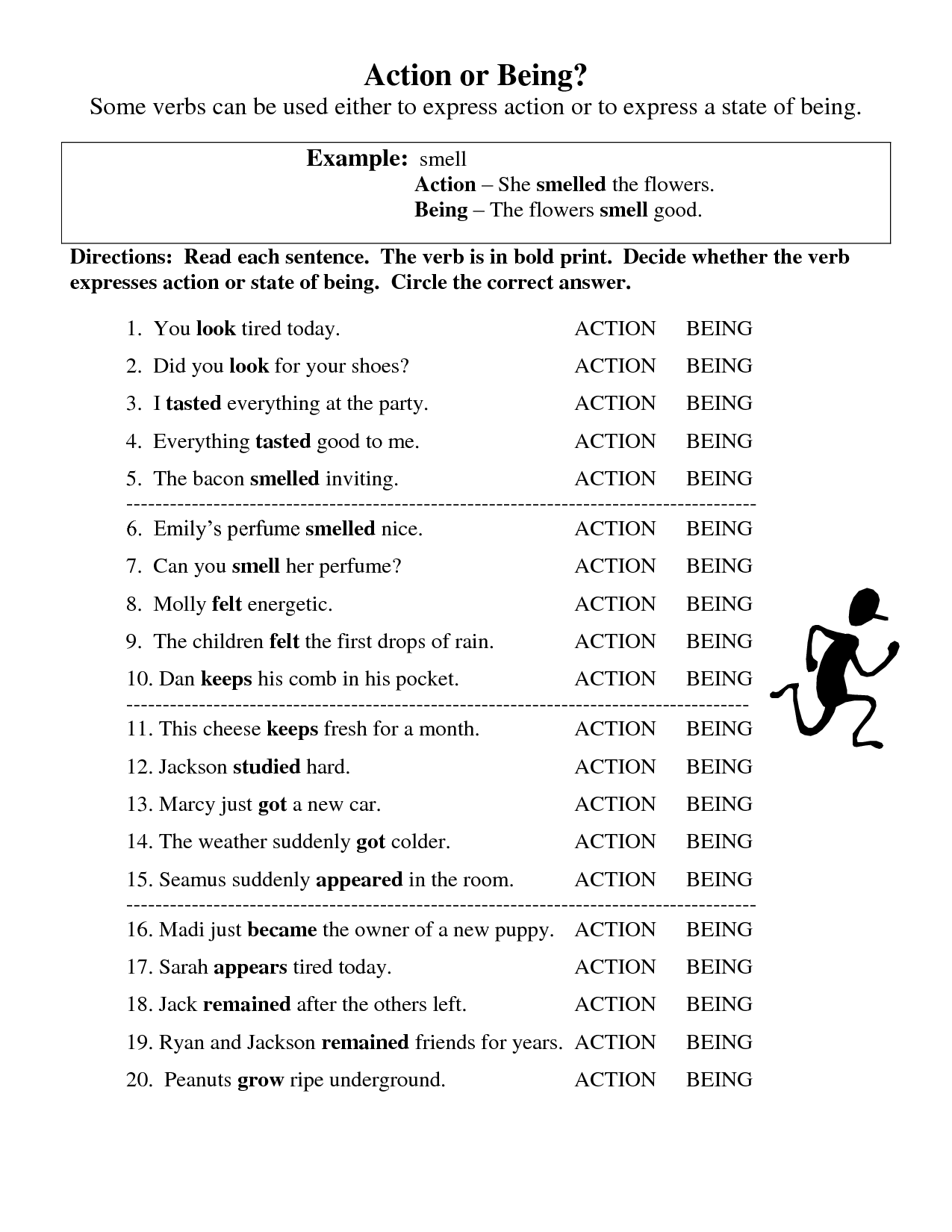
If the sentence still makes sense, it is a linking verb. If it isn't logical with the substitution, it's an action verb. State of being verbs can be used as linking verbs or action verbs. We need to be able to determine the function of the verb to tell the difference. The following sentences contain verbs that are used as either linking or action verbs.

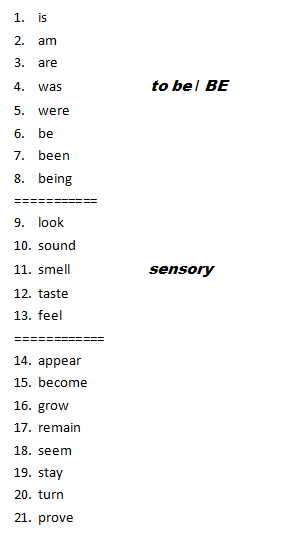
Any form of the verb be which includes am, it, is, are, were, was, has been, are being, etc. These verbs are called true linking verbs because they are always linking verbs. Then there are verbs that can be linking verbs or action verbs. They are used to link the subject of the sentence to the word that is describing it.

However, some linking verbs look like action words. Examples of linking verbs and action verbs are in the table below. The next time you write something, circle every linking verb you can find in the document. If you see many of them, you may want to rewrite some of the sentences and substitute some action verbs. Replacing just a few linking verbs with their more active counterparts can transform a page of writing.
There are other verbs that are sometimes linking verbs and sometimes action verbs. These include grow, prove, look, smell, sound, taste, turn, feel, remain, stay, and appear. The most common linking verbs are become, seem, and any form of the verb be (including am, is, are, was, were, etc.). Although there are a variety of auxiliary verbs in the English language, the following words are a few that often function as helping verbs. Note that these auxiliary verbs may function as action or linking verbs in other cases. Linking verb connects a descriptive noun or adjective to the subject, while an action verb describes the action being performed by the subject.
Do you ever get tired of all the busyness and action - like cooking, cleaning, working, writing, studying, carpooling, washing, mowing, driving, and typing? Do you ever wish you could get away from it all and just be - just exist calmly, without any action? Well, this lesson cannot give you that much-needed vacation from action. But it will introduce you to the type of verbs that do not express action. Linking verbs express a state of being and make a link in the sentence.
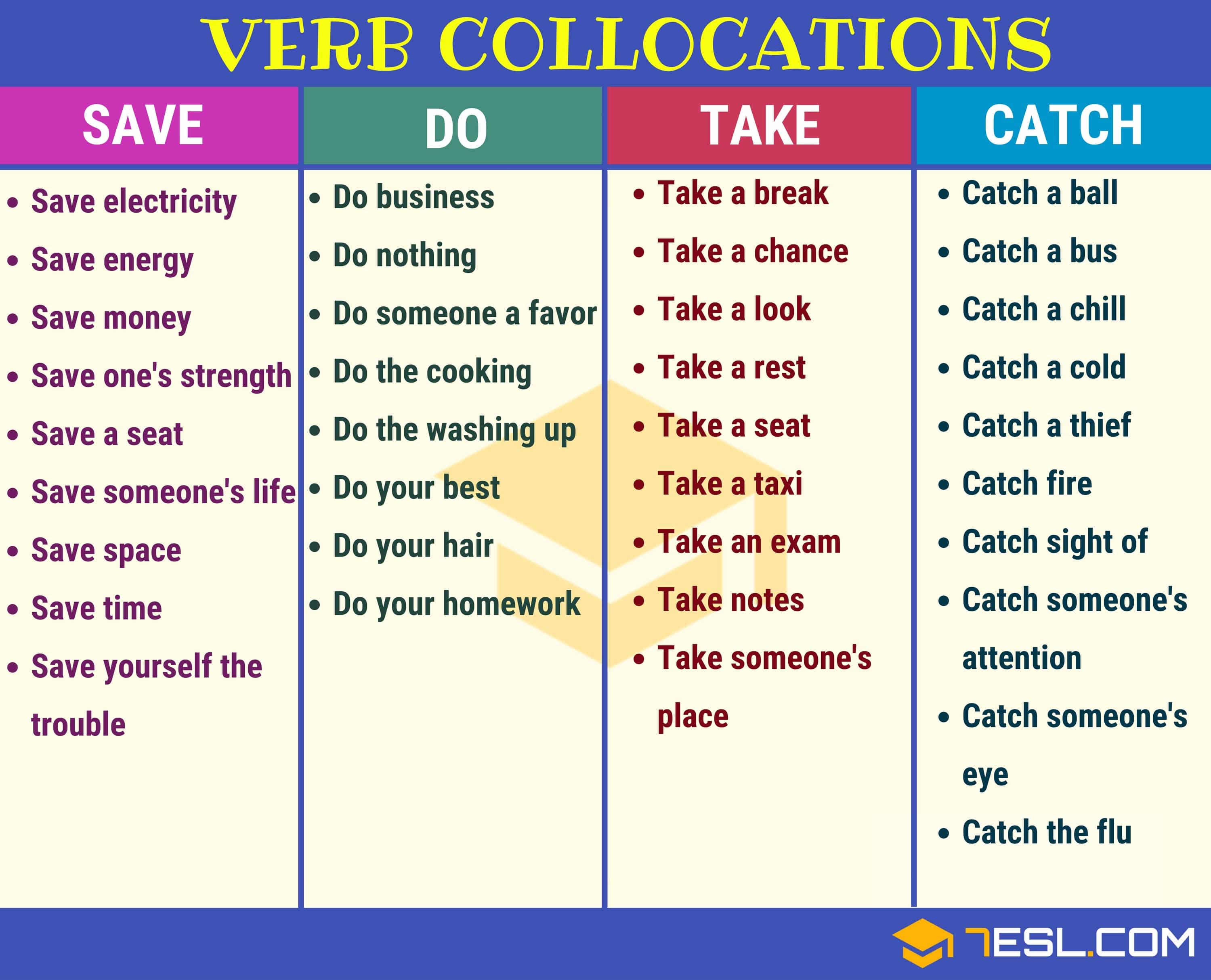
Before we talk more about that link, let's review the basic parts of a sentence. Linking verbs don't function in the same way as typical verbs in showing action, so it can sometimes be tricky to recognize them. When you write, you will naturally need to use both linking and action verbs; both verb types play a critical role in the English language. However, the overuse of linking verbs can sometimes leave a piece of writing flat. Where possible, don't just tell what something is; tell what it does. In each example, the subject is not "doing' the action.

When a linking verb works in this way, the subject complement will be an adjective or an adjective phrase. The subject complement can take a variety of different forms. Let's look at some sentences that use linking verbs to show what subject complements can look like. A linking verb connects the subject with a word that gives information about the subject, such as a condition or relationship. They do not show any action; but, they link the subject with the rest of the sentence.
For example, in the sentence "It is a risk," the word "is" is the linking verb that connects "it" and "risk" to show the relationship between the two words. This extremely useful fact gives us a simple way to distinguish linking verbs from action verbs. If a verb can take a predicate adjective as a complement, then it must be a linking verb. This relationship is completely absent in action verbs. According to traditional English grammar guides, a linking verb describes the subject by connecting it with the rest of a sentence. What's more, they can be a single word or a group of words.

Unlike other verbs, this type of verb does not convey action. Instead, they describe or identify a subject. Think of them as the glue that holds a sentence together. They do not describe the action, but always connect the subject to additional information.

The most common true linking verbs are forms of "to be," "to become" and "to seem." There are more examples below and suggestions about how to tell the difference between a linking verb and an action verb. The table below lists some verbs that are commonly used as linking verbs. Remember, the words in the list are not always used as linking verbs; it is the FUNCTION of the verb in the sentence that determines its kind. Instead, linking verbs express a state of being. Linking verbs are reserved for expressing a state of being.

Some verbs don't talk about actions, but instead link the subject to an adjective which gives us more information about the subject. Now's the time to practice what you have learned so far. See if you can identify which words in the following sentences are thesubject, thelinking verb, and what thesubject complementis. Check the end of the article for the answers. The following sentences all use linking verbs.
In order to tell if a verb is being used as a linking verb, look if the sentence has a subject complement. Remember, linking verbs are used to link information so there must be a subject complement that is describing or identifying a subject. Linking verbs operate differently than action verbs. First, while action verbs are modified by adverbs, linking verbs are often followed by adjectives. Some verbs don't express action but help complete statements about the subject by describing or identifying it.

Subscribe to:
Comments (Atom)